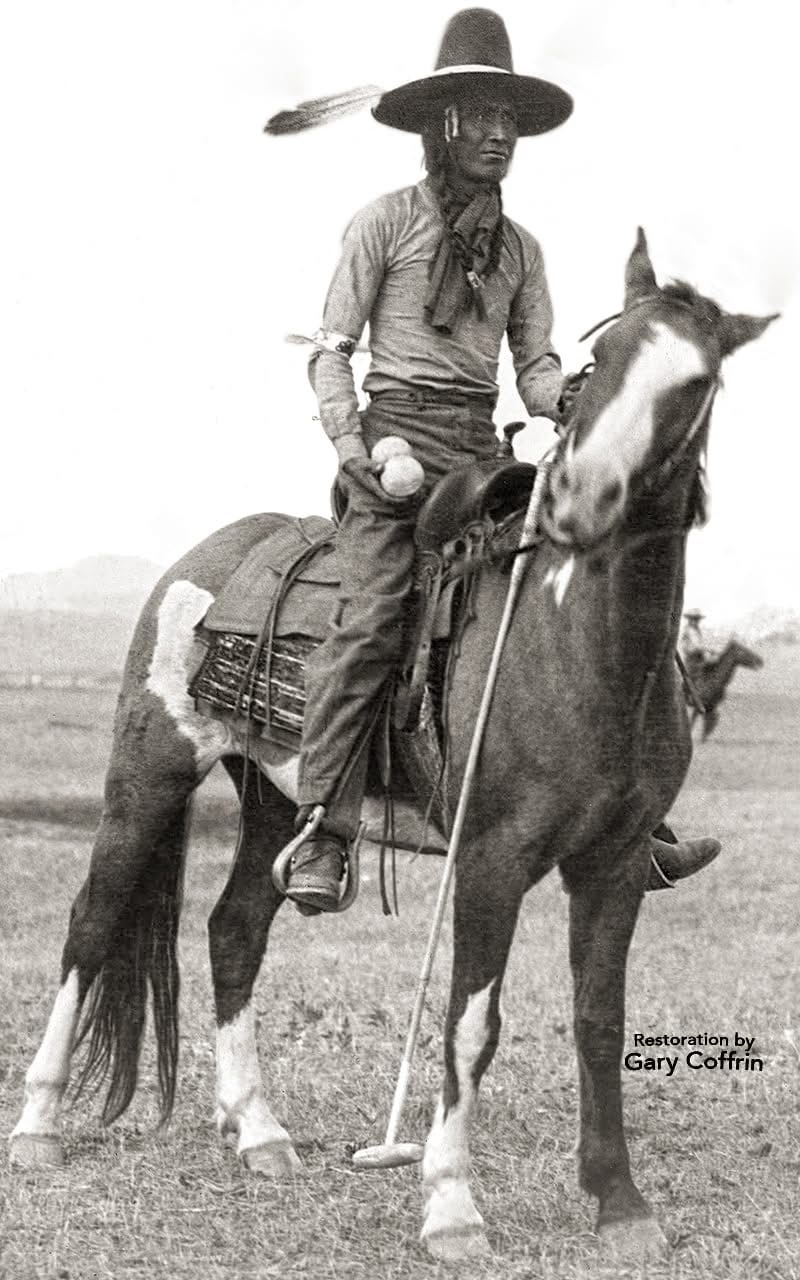
In South Carolina, where horse culture runs deep from Camden to Aiken, polo has long been a part of the landscape. But beyond the stately fields of the English equestrian set, another caliber of rider— cowboys, rodeo competitors, and working horsemen—eager to play more of the sport, began playing a uniquely American expression of the game.
They didn’t have Argentine thoroughbreds or manicured turf, but they had what was needed: good cow horses, rodeo arenas, and a taste for high-speed, hard-hitting competition. The result was Palmetto Polo—a distinctly Southern version of polo played in dirt arenas, with western saddles, broke cow horses, and a style that was more cattle drive than country club and cocktail hour.
It was a way for Southerners to take the game back from the "English" and the clubhouse set, who had reduced polo to an exclusive elite pastime. While they sipped cocktails in their linen whites, down South, real horsemen were breaking colts, putting a handle on cow horses, and riding hard—all without needing a valet to hold their mallets.
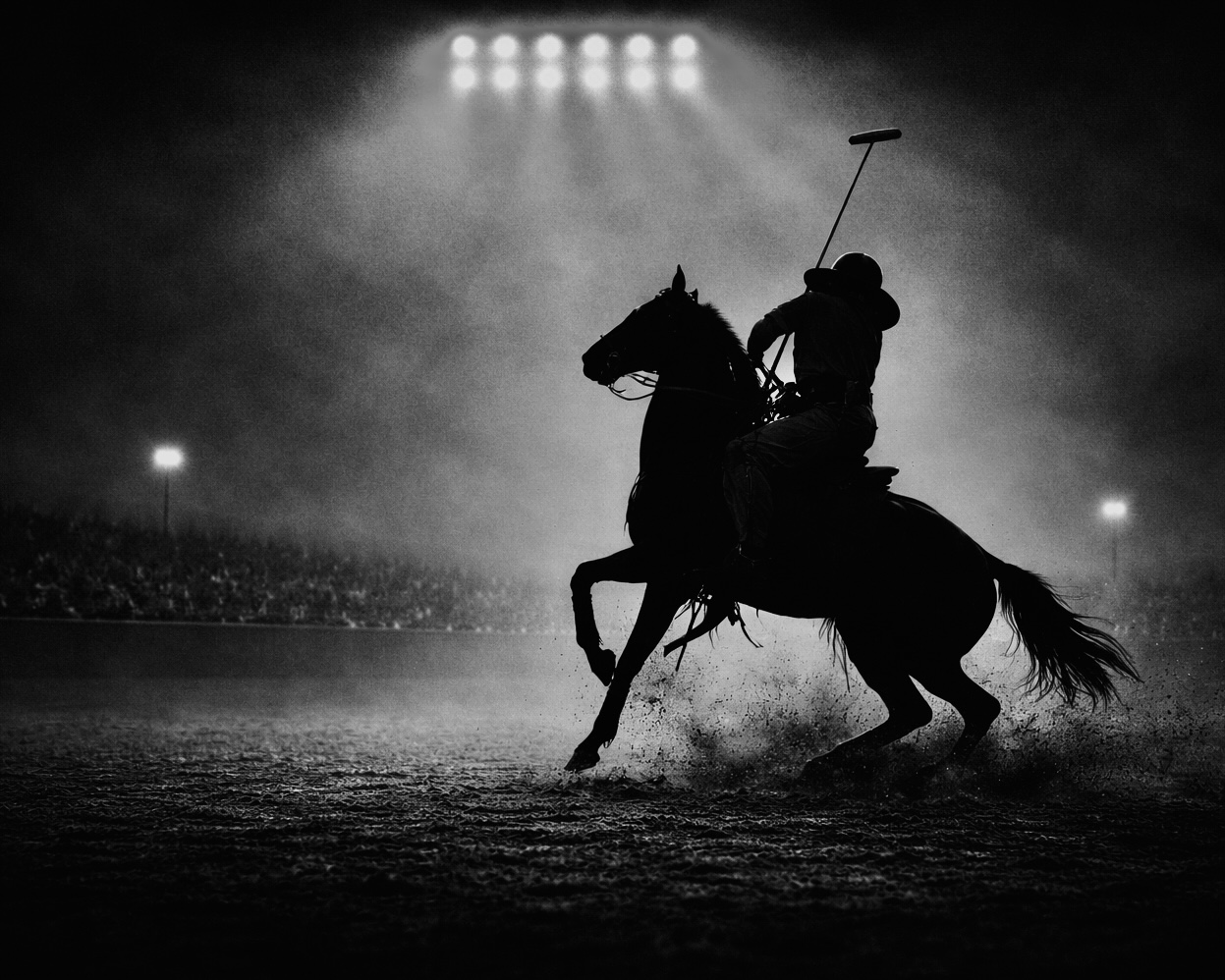
By the mid-20th century, South Carolina had already carved out a reputation as a polo powerhouse, particularly in Aiken, which served as a winter retreat for the Northeastern polo set.
Having been exposed to polo, but being primarily a Northeastern sport at that time, Southern horsemen and rodeo riders saw an opportunity to take the game in their own American direction—one that fit the land, the culture, and the cow horses they already had.
In many ways, their approach mirrored what Argentina had been perfecting for 50 years. Down there, gauchos weren’t just part of the culture—they built the foundation for Argentina’s polo dominance. Ranchers and working horsemen naturally fed into the sport, ensuring a steady supply of tough, agile ponies and fearless riders who grew up mastering the art of riding before ever picking up a mallet.
In the same way, Palmetto Polo emerged as an accessible alternative for American cowboys and Western riders. Instead of importing ponies and players, these riders adapted the game to their own horses, their own arenas, and their own way of riding.
- Western tack and cow horses – Instead of polo ponies, they used broke cow horses with a good handle—quick to rate, stop, and work cattle.
- Rodeo arenas instead of grass fields – Polo was played on dirt and clay, inside fairground arenas, making it more accessible.
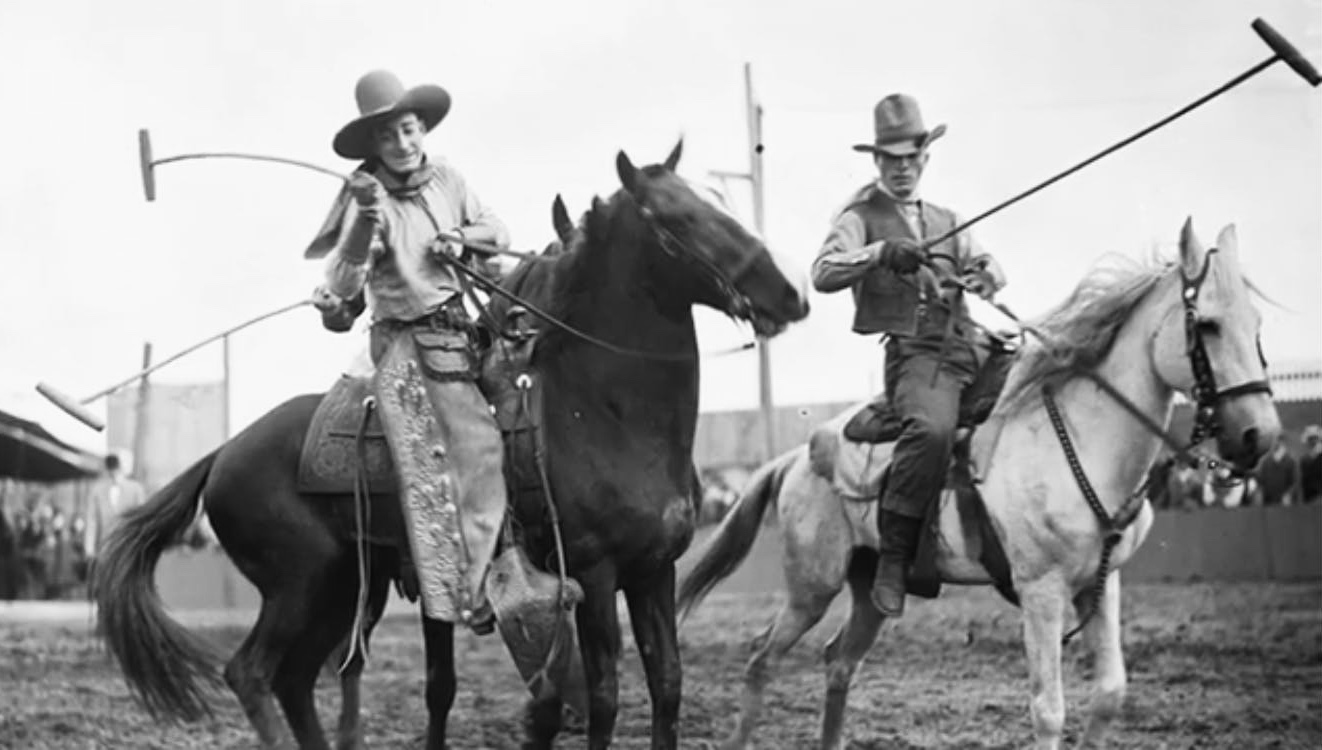
By 1959, the sport had evolved, and what was once known as Palmetto Polo was renamed Cowboy Polo, aligning with its growing popularity beyond South Carolina. As the game spread to Florida, Texas, and across the West, the cowboy influence solidified, and the Palmetto Polo name faded into history.
Now, over 70 years later, the Cowboy Polo Circuit is here—not just as a revival, but as a revolution to reshape the future of American polo. The Cowboy Polo Circuit isn’t about preserving tradition for the elite—it’s about eliminating the gatekeeping that has kept talented riders from reaching the highest levels of the game.
For decades, Argentina has produced generations of dominant 10-goal players because they have a system that develops talent from the ground up. The U.S. has never had that—not because the talent isn’t here, but because the opportunities weren’t. Until now.
The Cowboy Polo Circuit is building a new American pipeline, where cow horse riders, rodeo athletes, and Western competitors can step into the sport and prove themselves based on skill—not access. Polo doesn’t belong to an exclusive few. It belongs to the best riders in the country.
This isn’t just a revival—it’s a return to the way American polo was meant to be played: fast, tough, and unmistakably American. And this time, it won’t be reserved for a select few. The next American 10-goal player won’t come from English polo—they’ll be made in the Cowboy Polo Circuit.